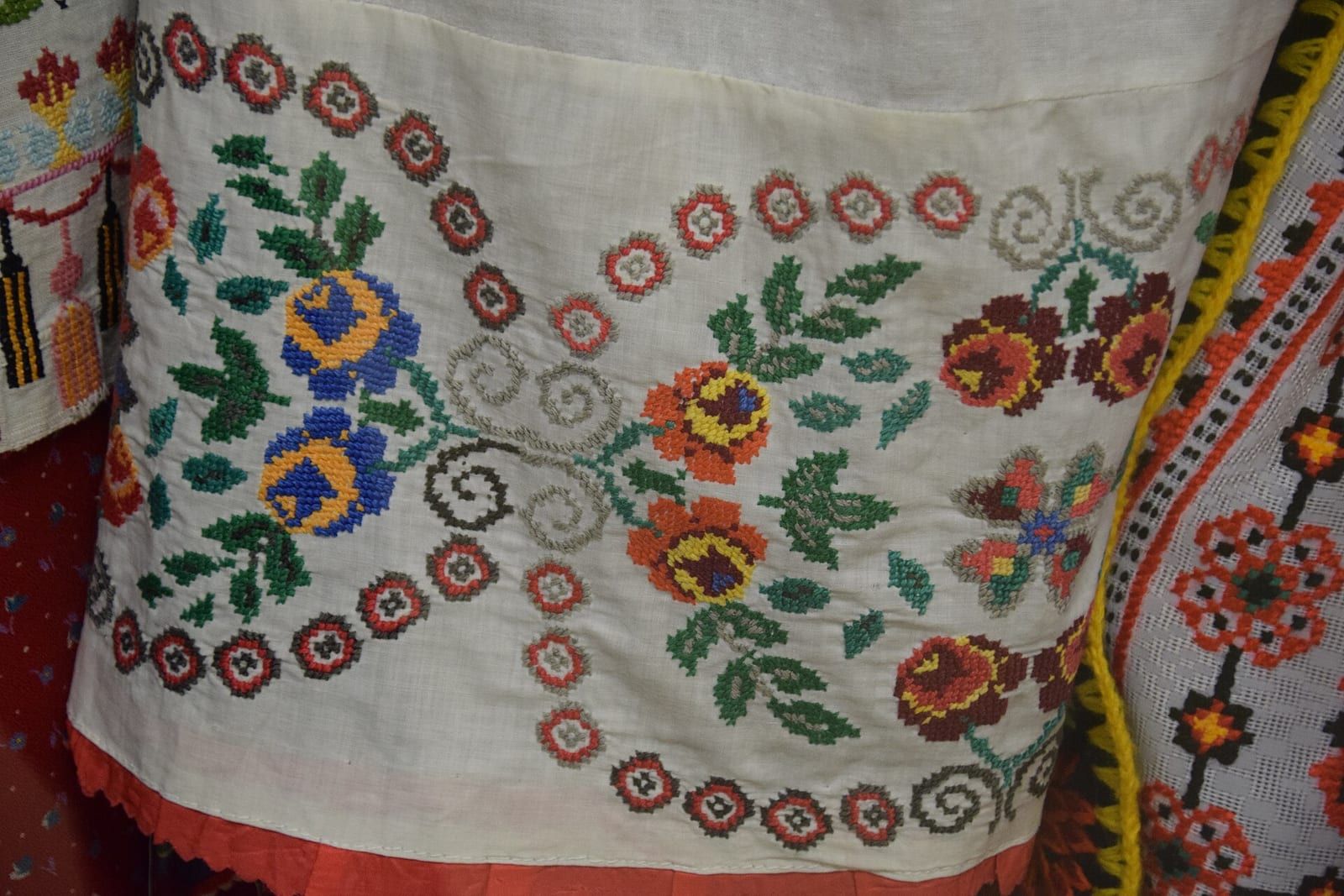
Ukrainian embroidery symbols: meanings and where they come from
What the motifs on a Ukrainian vyshyvanka can mean: geometric, plant, animal and human figures, colors, regional styles, and how to tell folk meaning from modern myth.
Ukrainian folk art is a living practice, not a museum curiosity. People still embroider shirts and ritual towels, write pysanky — eggs decorated with beeswax and dyes — for Easter, and bring a sheaf of grain called the didukh into the house on Christmas Eve, alongside a straw “spider” hung from the ceiling. Most of these crafts were passed down within families, so the same object could look quite different from one village to the next.
Our guides explain what these traditions are and how to read them. Embroidery (vyshyvka) comes first: its regional styles, its techniques, and above all its motifs — geometric shapes, plants, animals and birds, and stylized human figures. We also cover pysanky, straw crafts and the customs of the Ukrainian Christmas cycle, from the Holy Supper to carol singing.
There is a lot of pseudo-history around Ukrainian ornament. Confident claims that a sign “protects from illness” or encodes “the nation’s DNA” are mostly recent. So we keep three layers apart: the names of motifs recorded in villages, which are the most reliable evidence; interpretations by ethnographers and art historians, which we present as interpretations; and modern esoteric readings, which we label as modern. Where scholars disagree, we give the competing versions rather than pick one.
A good place to start is our overview of Ukrainian embroidery symbols, which walks through the main motif families and what can honestly be said about each. Individual motifs have their own pages in the symbol encyclopedia: the tree of life, often found at the center of ritual towels; the eight-pointed star, one of the most common geometric motifs in embroidery, weaving and pysanky; and kalyna, the guelder rose, one of the central images of Ukrainian folklore.
What the motifs on a Ukrainian vyshyvanka can mean: geometric, plant, animal and human figures, colors, regional styles, and how to tell folk meaning from modern myth.
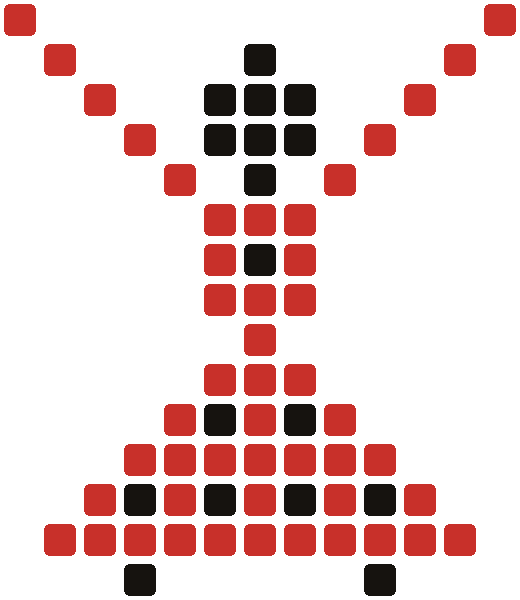 BerehyniaBerehynia is today’s name for the female figure with raised arms on ritual towels; many scholars see the “ancient guardian goddess Berehynia” as a late 20th-century construct.
 DeerAn animal motif of a deer with spreading antlers, known from Hutsul pysanky, embroidery and ceramics, and from carols in which the deer has marvelous antlers.
 Eight-pointed starThe eight-pointed (eight-rayed) star is one of the most common geometric motifs in Ukrainian embroidery, weaving and pysanky.
 GrapevineA plant motif of a grape cluster or a winding vine with clusters, one of the most common fruit ornaments in Ukrainian embroidery and on pysanky.
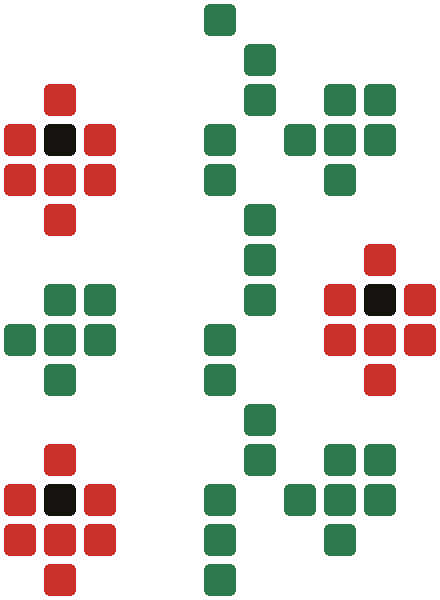 HopsHops is a plant motif of a twining stem with leaves and cones; in Ukrainian folk songs it stands for a young man, courtship and wedding merriment.
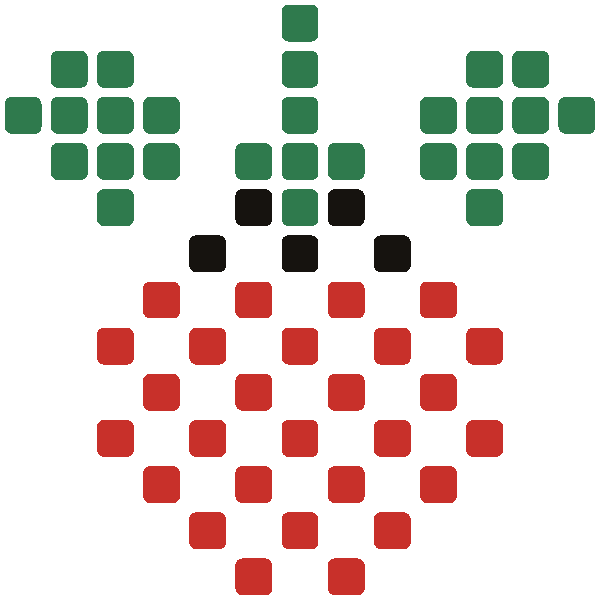 KalynaA plant motif of red berry clusters and leaves; in folklore one of the central images, linked above all with a young woman, love and weddings.